
Welcome to Root Causes: the ultimate podcast on PKI and security
It’s a fact, digital identities govern every aspect of our lives. None of our modern infrastructure would be able to operate without them. Every week, industry experts Tim Callan and Jason Soroko dive into the fascinating world of PKI and digital identities, to keep you up to date with its latest trends and developments.
Explore our recent episodes

Why Root Causes?
Join the world’s most popular PKI and security podcast, Root Causes, where industry veterans Tim Callan and Jason Soroko unravel the complexities of PKI, online trust, and digital certificates. Root Causes is the first podcast of its kind, delving deep into the how and why of digital identity and the technology, practices, and regulations surrounding it. We share the latest developments in digital certificates, encryption, PKI, authentication, blockchain, malware, and much more.
Over 500,000 listens
With new episodes every week, join us as we peel the onion on the fascinating world of PKI and digital ID.
Meet Tim and Jason
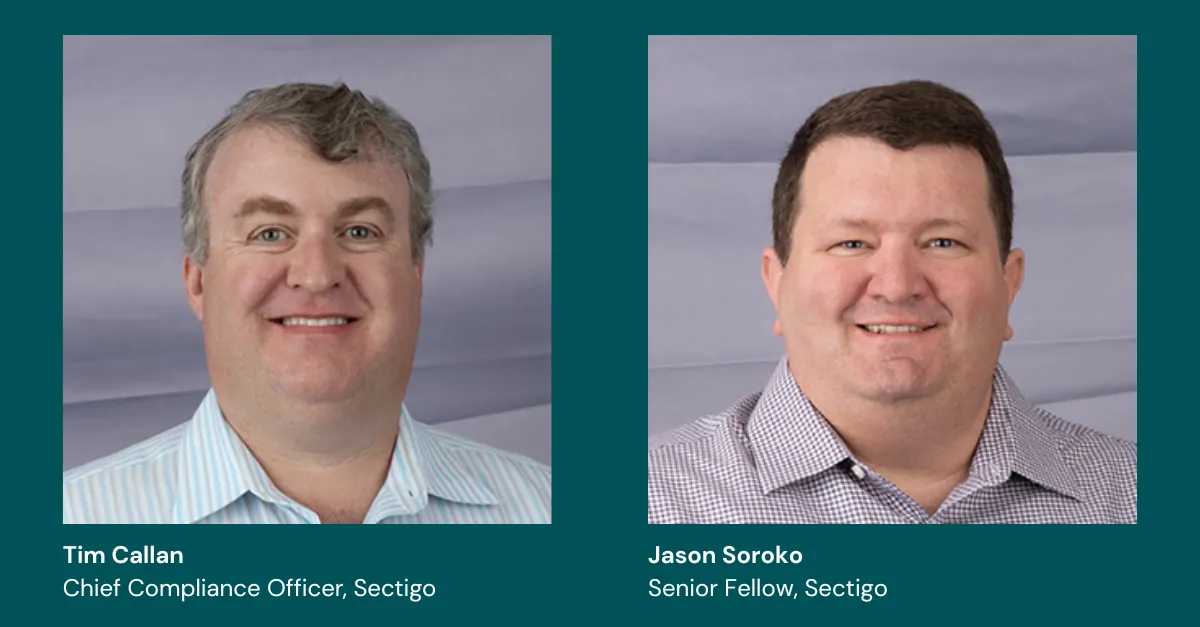
Tim Callan and Jason Soroko, pioneers at the forefront of PKI and Digital Trust innovation, combine decades of experience. Tim leads customer journey optimization and compliance efforts at Sectigo, while Jason drives product innovation, customer interaction, and industry standards alignment.









Don’t miss out on the latest episodes of Root Causes
Discover Tim and Jason's insights on your favorite podcast platform today.