SSL certificate lifespans are shrinking. Manual management won’t keep up.
The new 47-day industry standard will require faster renewals. Automate your certificate lifecycle now and stay ahead of outages, risks, and rising complexity.
Download our 47-day TLS survival guide
It's official: 47-day SSL/TLS certificates will be the new standard
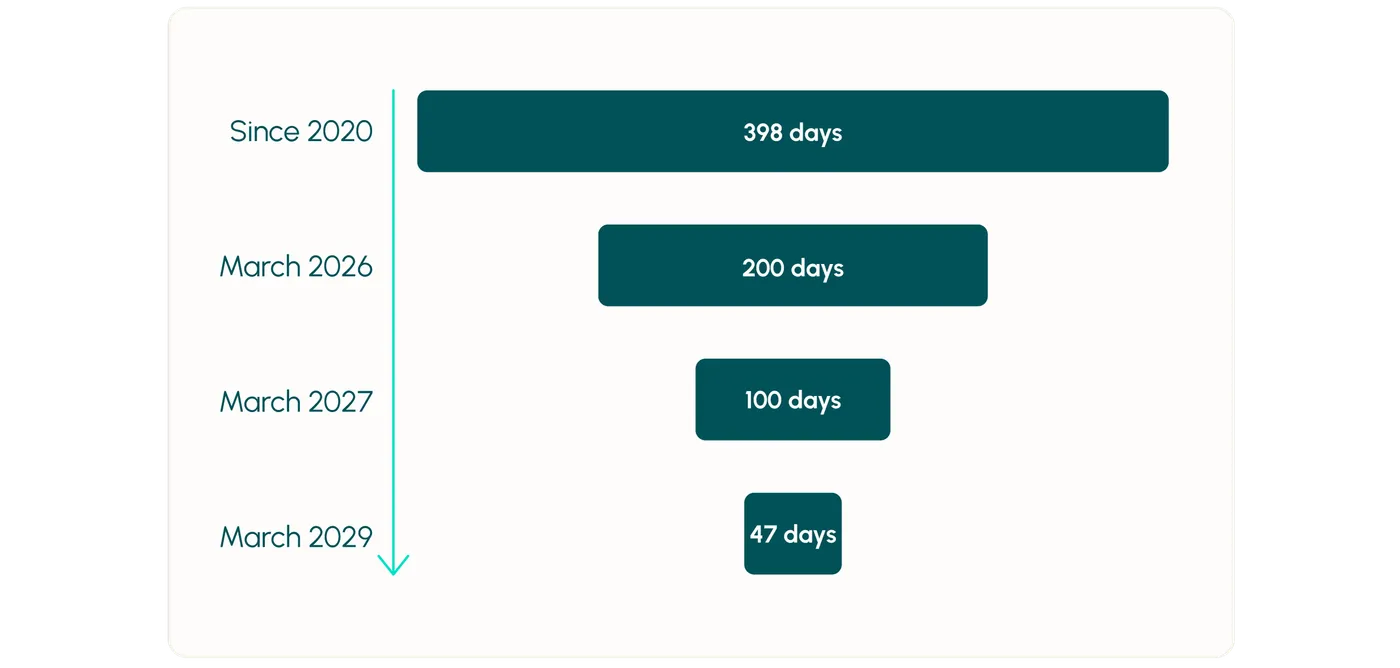
The newly approved measure, initially proposed by Apple and endorsed by Sectigo in January 2025, will gradually reduce certificate lifespans from the current 398 days to 47 days through a phased approach.
This change, supported by Sectigo and major browsers like Apple and Google, marks a turning point for digital certificate management. Organizations will now need to renew certificates nearly every month, an unsustainable pace without automation.
Here’s what this means for your business ➔
Challenges you might face if you manually manage your digital certificates:

Complexity
Managing multiple validations and configurations is time-consuming.

Risk
Forgotten certificates can lead to security breaches and outages.

Inefficiency
Manual processes are prone to errors and delays.
What happens if no action is taken
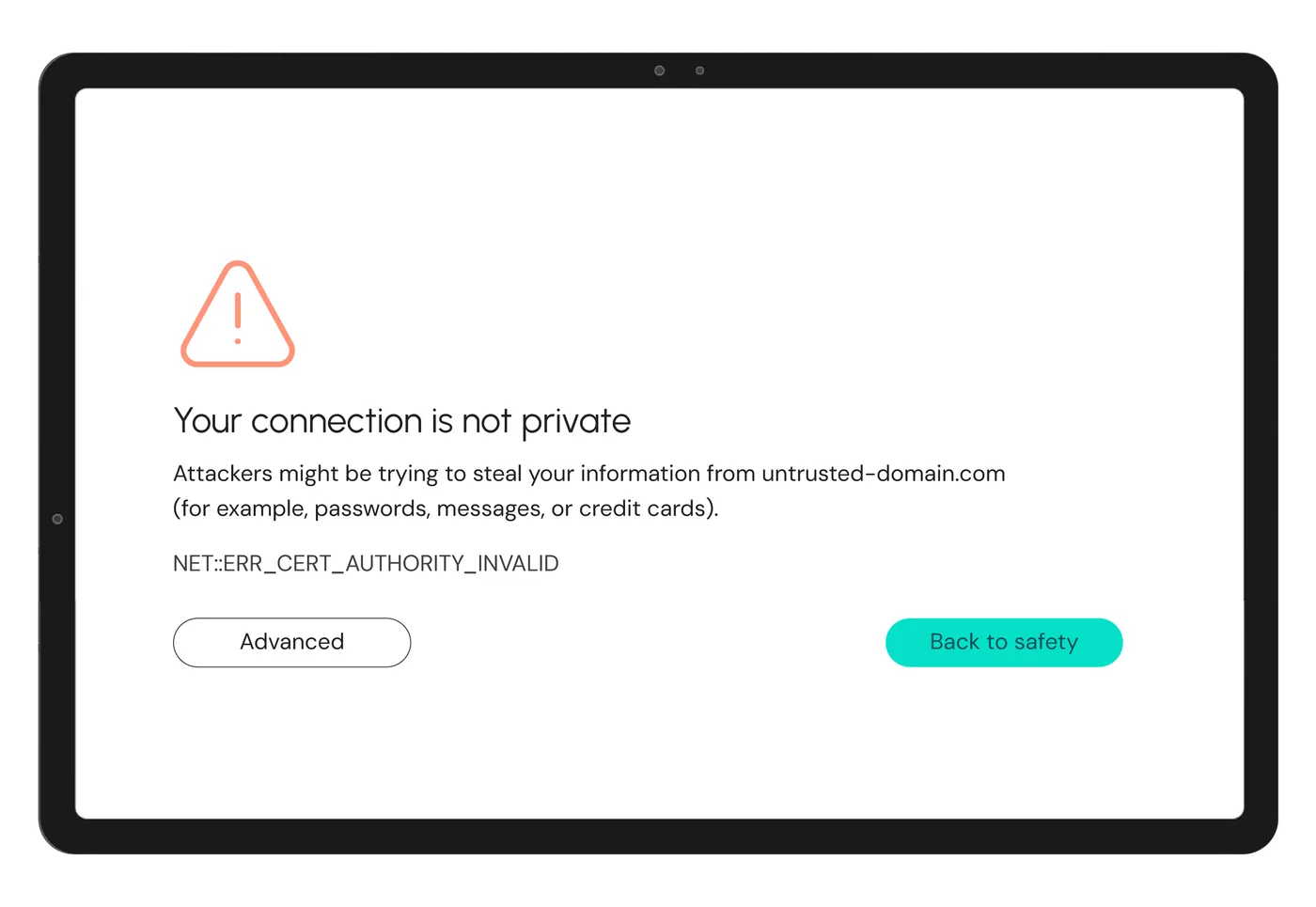
When a certificate expire and is not renewed on time it triggers a browser warning informing users that their connection is no longer private, causing them to leave assuming (rightly so) that the site is unsafe.
These warnings not only drive customers away but also damage a business's reputation. The financial impact can be severe, with businesses losing both immediate sales and future revenue as customer trust deteriorates.
But this is just the tip of the iceberg. A missed certificate renewal can also lead to outages, data breaches, service disruptions, and costly non-compliance fines.